Dental restorations: restoring everyday comfort

A missing or badly damaged tooth raises many questions. Which solution suits me? What will it feel like? And what should I expect? We discuss these questions with you at our private dental practice in Mödling.

How your dental restoration is made

Crown
  1. Preparing the tooth

    A crown covers a severely damaged tooth. We build up the tooth if necessary and prepare it for the crown.

  2. Making the crown

    We take a scan or impression so the crown fits precisely. If needed, a temporary crown protects the tooth until the final crown is fitted.

  3. Fitting the crown

    We check the shape, fit and bite. We then secure the crown to the tooth.

Bridge
  1. Checking support for the bridge

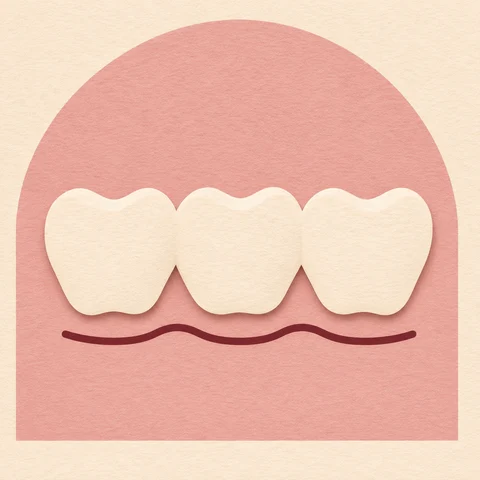
    A bridge fills a gap left by a missing tooth. We check whether neighbouring teeth or implants can support it.

  2. Making the bridge

    Depending on the type of bridge, we prepare the supporting teeth. A scan or impression provides the template.

  3. Fitting the bridge

    We check the fit of the bridge and secure it in place. We show you how to clean underneath it.

Partial denture
  1. Planning support for the partial denture

    A removable partial denture replaces missing teeth. Depending on the findings, it is held in place by clasps or by a clasp-free precision attachment connecting the denture to a crown.

  2. Making the partial denture

    We take an impression or scan and record your bite. At the try-in, we check how the denture fits.

  3. Showing you how to insert and care for it

    We show you how to remove and clean the denture. We can adjust any areas causing pressure at a follow-up appointment.

Complete denture
  1. Recording the jaw and bite

    A complete denture replaces all the teeth in one jaw. We take impressions and record how the upper and lower jaws meet when you bite.

  2. Checking appearance and fit

    At the try-in, we check together how the teeth look, how you bite and whether the denture fits well.

  3. Fitting and follow-up

    We show you how to use and clean your denture. If anything causes pressure or discomfort, we adjust the fit at a follow-up appointment.

More about the treatment

First, we assess your individual situation

Before recommending a restoration, we examine your remaining teeth and gums. Tell us what is troubling you in everyday life: perhaps chewing, a visible gap or a denture that no longer fits well. Your preferences regarding care and the effort involved are also part of this discussion.

Crowns and bridges

A crown can cover and restore a severely damaged tooth. A bridge replaces one or more missing teeth and needs suitable teeth or implants for support. Not every gap needs the same treatment. We explain which options your clinical findings allow.

When a removable denture is preferred

A partial denture replaces missing teeth, while a complete denture replaces all the teeth in one jaw. A cast-metal partial denture has a metal framework and can be held in place by clasps on the remaining teeth. Depending on the findings, a clasp-free partial denture with precision attachments may also be possible. A small attachment on a crown helps hold the denture in place. Where suitable, implants can provide additional support.

Choosing, fitting and reviewing

We discuss the advantages and disadvantages, the expected treatment process and the costs before you decide. After fitting, you may need time to adjust. Pressure spots or an unfamiliar bite should be checked. Regular care and check-ups remain important with dental restorations too.

Your next step

Arrange a consultation or call us. When booking, please tell us whether you need a new restoration or have problems with existing dental restorations or dentures. This helps us plan your appointment appropriately.

SCHEMATIC OVERVIEW

Three terms, briefly explained

Crowns, bridges and dentures serve different purposes. This overview cannot replace an individual assessment of the right option for you.

  • Crown

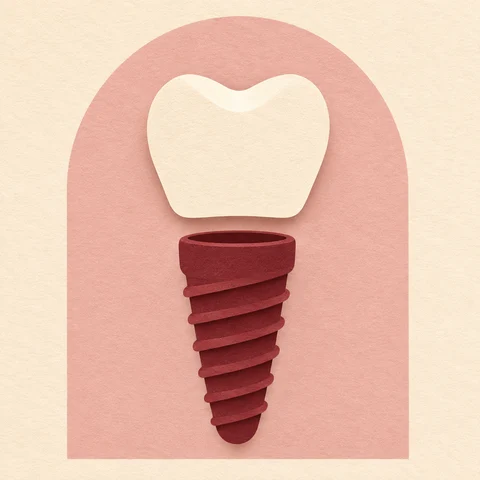
    It covers a severely damaged tooth. A crown can also be attached to an implant.

  • Bridge

    It replaces one or more missing teeth. Suitable teeth or implants support the bridge.

  • Removable dentures

    A partial denture replaces missing teeth, while a complete denture replaces all the teeth in one jaw. It can be removed for cleaning.

These are options, not consecutive steps. Stability, care, remaining teeth and personal preferences all inform the planning.

Sources for this illustration

Research date: 29 October 2026
Professional sources for further reading

Arrange an appointment

Private dental practice · private billing · no direct billing to statutory health insurers

Book onlineCall us